
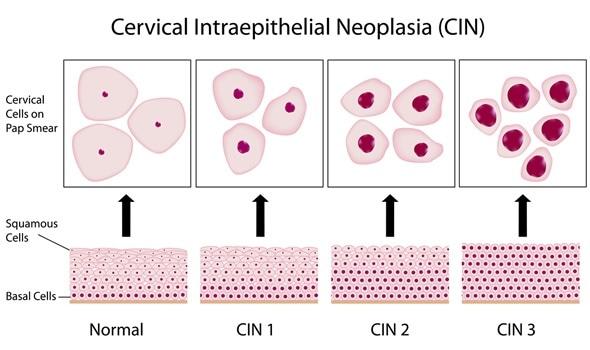
Cervical intraepithelial neoplasia (CIN) means abnormal changes in cervical cells. It is not cancer, but some higher-grade changes can progress over time if not managed.
CIN is commonly linked to persistent high-risk HPV.
How to diagnose
- Pap test checks for cell changes
- HPV test checks for high-risk HPV
- If needed: colposcopy and biopsy confirm CIN grade
- Management is often risk-based (repeat testing vs colposcopy vs treatment).
How to treat
- Low-grade changes may be monitored with follow-up testing
- High-grade (CIN 2–3) changes often need treatment to remove abnormal cells
- Follow-up after treatment is important.
FAQ
Is CIN cancer? No—abnormal cells, not cancer.
Why colposcopy? To assess the cervix closely and take biopsy if needed.
Can it clear? Some low-grade changes may resolve; follow-up is key.
At Farhod Madad Shifo, we explain Pap/HPV results clearly and guide you through the next step—follow-up testing, colposcopy referral if needed, and a personalized plan.
✅ Message us or book a gynecology appointment.